
The media narrative about San Francisco keeps colliding with reality. Here’s the latest collision.
There’s a story the financial press loves to tell about San Francisco. Empty offices. Fleeing companies. A city in irreversible decline. It’s a clean narrative. It’s also increasingly disconnected from what’s actually happening on the ground.
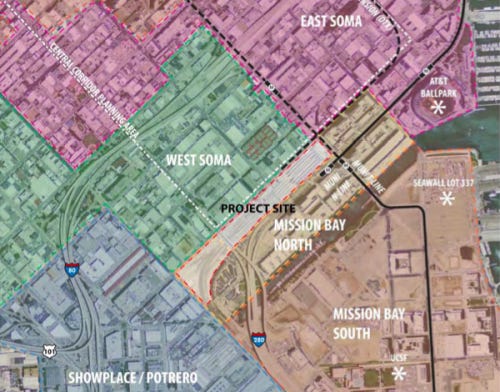
On Tuesday, a development application was filed that—if you’ve been paying attention—you saw coming. But for anyone still clinging to the doom-loop thesis, it’s going to be uncomfortable reading.
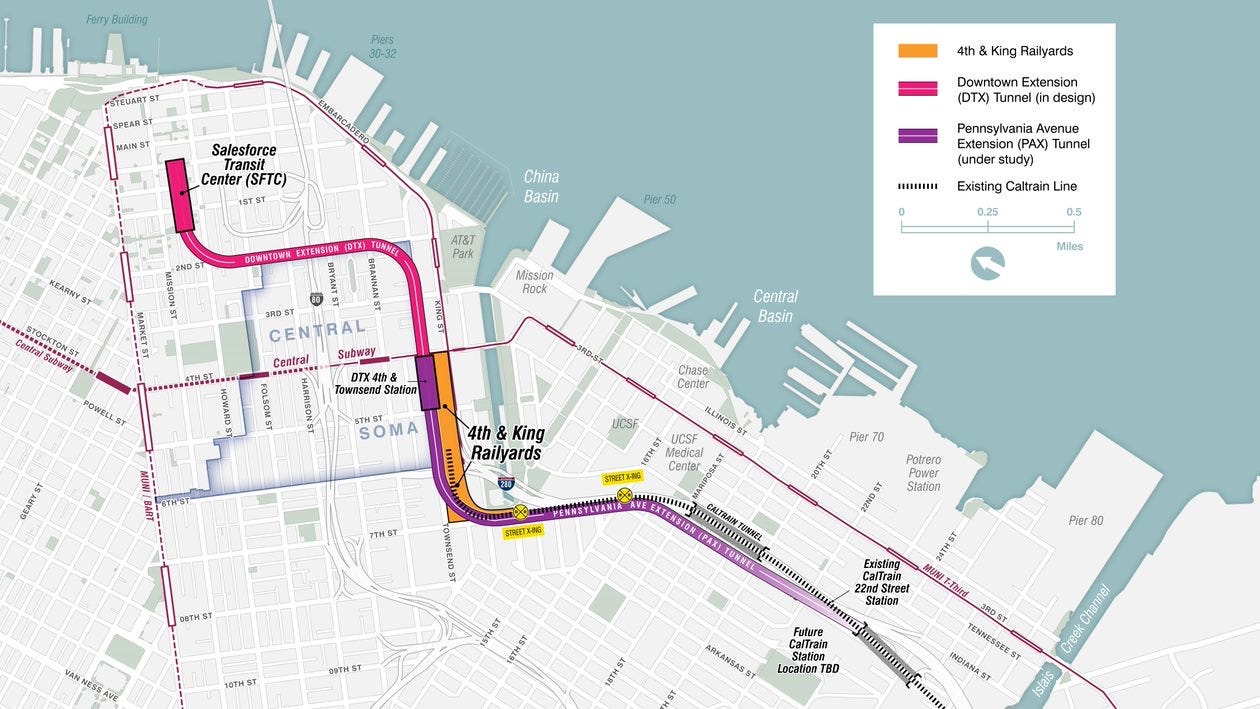
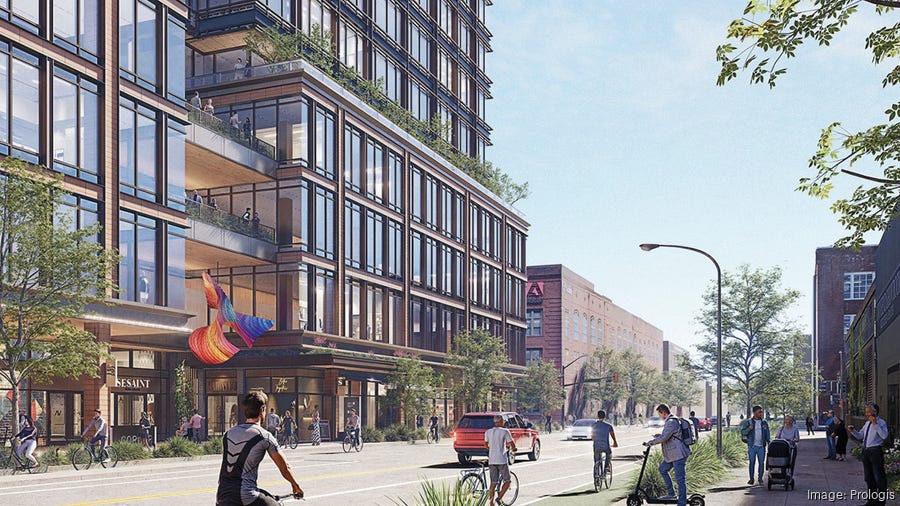
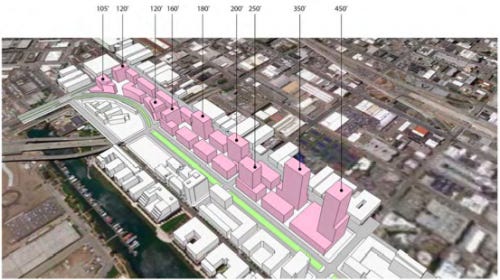
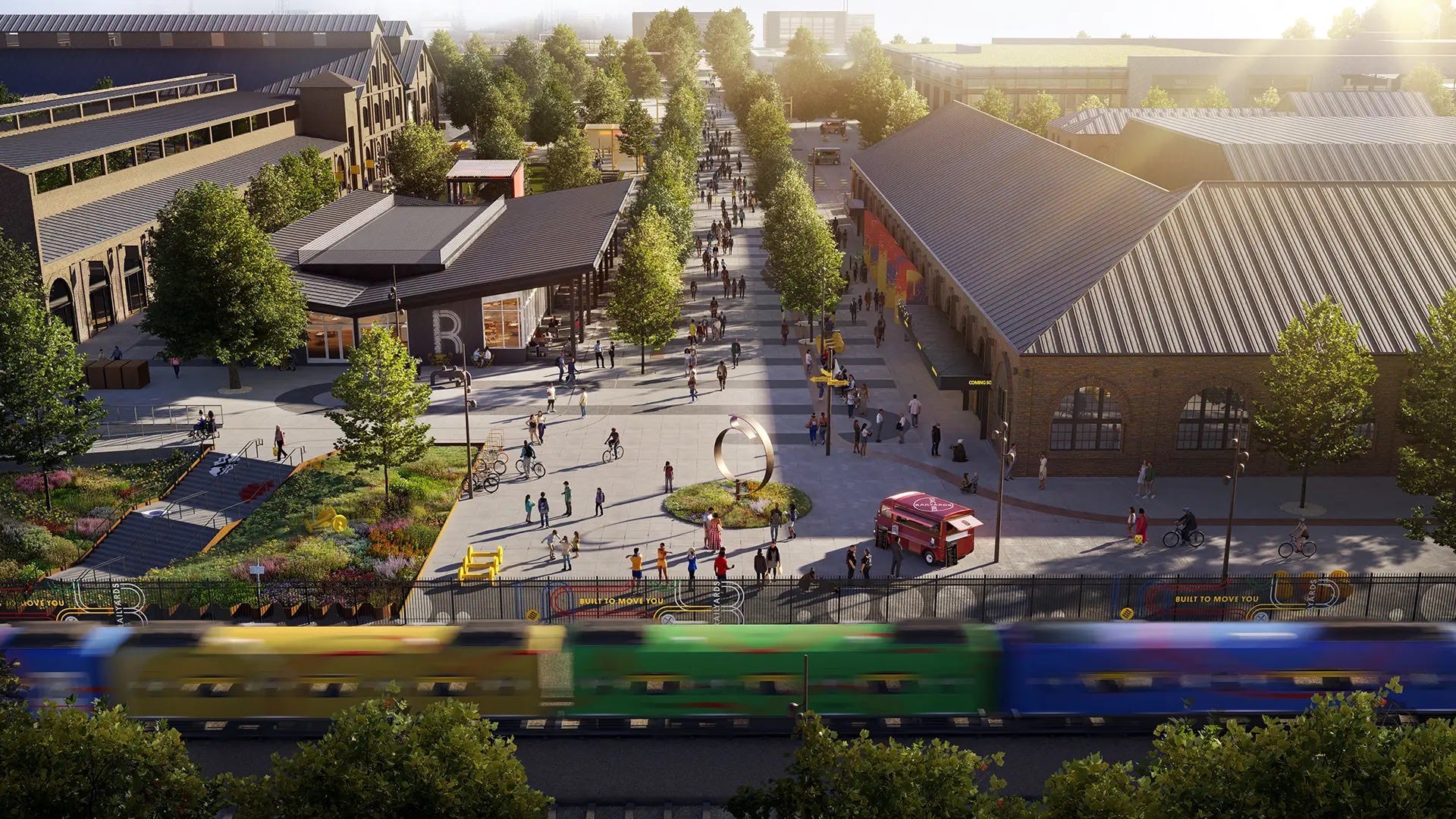
The former Caltrain railyards at Fourth and King Streets, sitting at the junction of Mission Bay and SoMa, are slated for transformation into one of the most consequential transit-oriented developments in the country: up to 8 million square feet of mixed-use density, 2,500 housing units, 4 million square feet of commercial space, a reimagined Caltrain station, and an 850-foot tower at the corner of Fourth and King. A second high-rise is planned at Seventh and King.
I’ll be transparent: we have a connection to this project. I’m not in a position to detail the specifics right now, but I’ve been watching this one closely for reasons that go beyond intellectual curiosity. When this deal fully comes to light, I think the market will understand why we were interested.
Why This Project Matters Beyond the Headlines
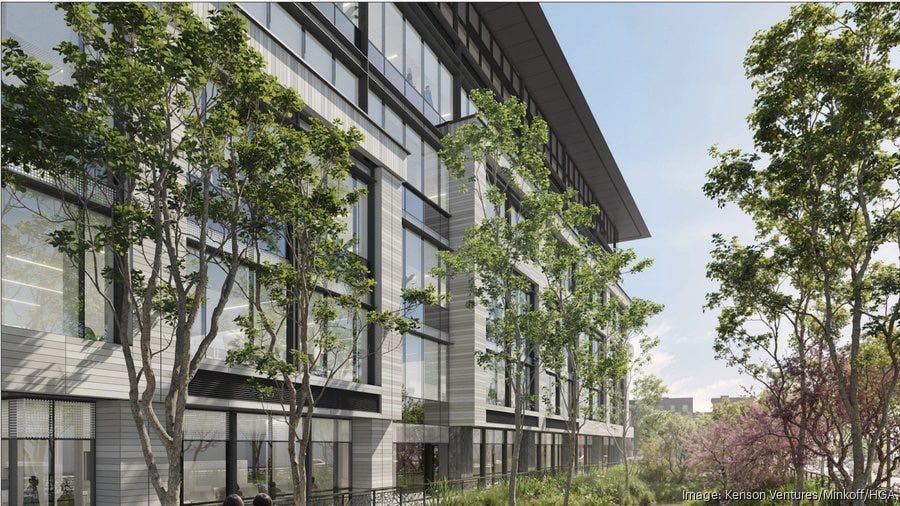
The scale here is significant, but scale alone isn’t the story. The story is what this project represents and where it’s located.
The railyards have historically functioned as a wall—a physical and perceptual barrier dividing SoMa and Showplace Square from Mission Bay. That 303-acre waterfront neighborhood spent the last decade becoming synonymous with biotech and life sciences, anchored by UCSF and major pharma players. Lab vacancy was near zero in 2019. By early 2024, CBRE was reporting that over 40% of leased lab and office space in Mission Bay sat empty.
That’s a brutal stat. And it’s the kind of stat that feeds the doom-loop narrative.
But here’s what the narrative misses: Mission Bay didn’t die. It’s morphing. AI startups are now driving fresh office demand in a corridor that was built for biotech. The same location advantages—proximity to transit, waterfront access, UCSF’s research ecosystem—are attracting a new wave of tenants. The railyards project, if it delivers, doesn’t just add density. It stitches Mission Bay into the broader urban fabric of SoMa and downtown, capturing tenant spillover and creating the mixed-use connective tissue the neighborhood has always lacked.
Transit-Oriented Development as Urban Medicine
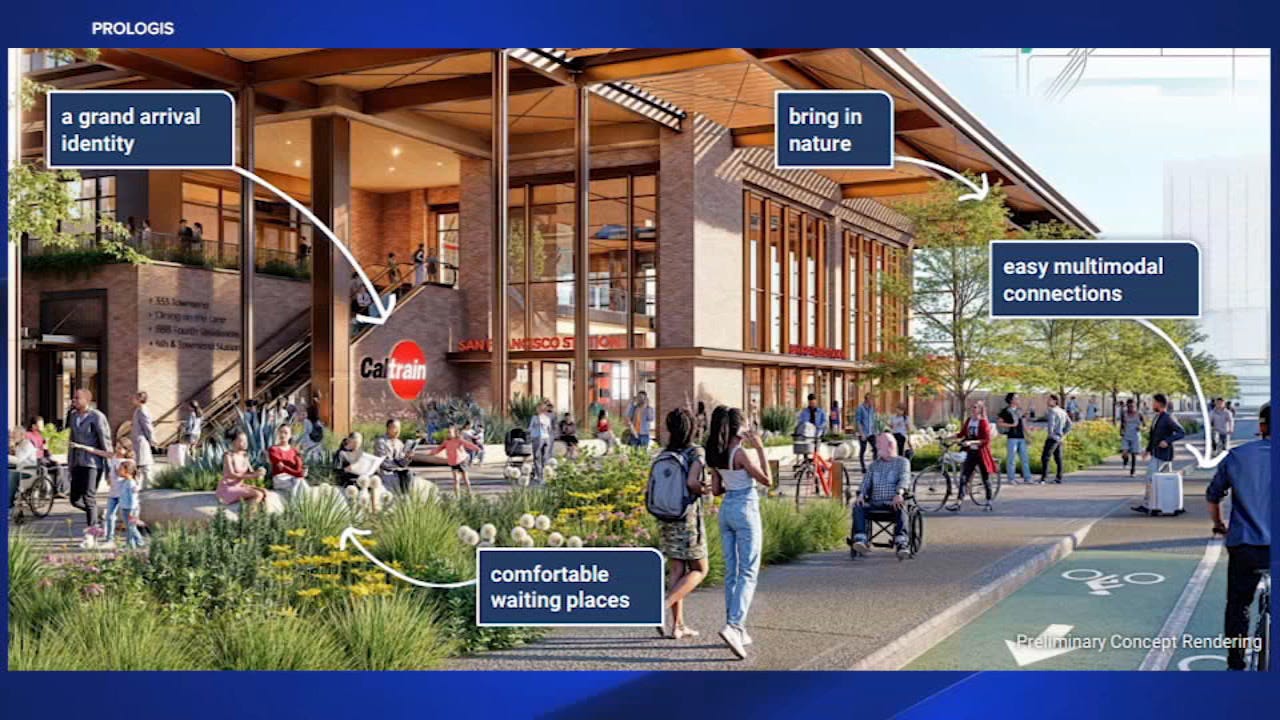
Caltrain’s executive director called this “a bold bet on San Francisco.” Mayor Lurie framed it as continuing the recovery momentum building along the eastern waterfront—Dogpatch, Mission Rock, and now SoMa.
That’s not spin. That’s a coherent development thesis playing out in real time.
Caltrain ridership cratered 95% during the pandemic. It has since bounced back nearly 50% in 2025 alone. The pressure on transit agencies to build housing adjacent to their stations isn’t just a policy preference—it’s a financial survival strategy. Projects like this one are how you make transit work.
The first phase—which can be completed before the larger Portal rail extension even breaks ground—will include both planned towers, housing, commercial space, and a reimagined public plaza at the station entrance with retail, restaurants, and open space. The build-out is a 15-to-20-year arc, but the first phase moves now.
What This Tells Us About San Francisco’s Trajectory
The application triggers a 12-to-24-month environmental review. Nothing happens overnight. But the filing itself is a signal—one that deserves more attention than it’s getting.
When you zoom out, a pattern emerges: Mission Rock, the Chase Center corridor, Dogpatch’s continued evolution, the AI cluster forming in Mission Bay, and now this. These aren’t isolated data points. They’re a system.
San Francisco has genuine structural challenges. I’ve written about them honestly and will continue to. But there’s a meaningful difference between a city navigating difficult headwinds and a city in terminal decline. The media conflates the two. Investors who conflate them will miss the cycle.
The doom-loop crowd needs a San Francisco that keeps declining to be right. The data—and projects like this—keep making that harder.
We’ll have more to say about this one as it develops.
— Daniel Kaufman, The Kaufman Report
If you found this useful, share it with someone who’s still reading the wrong headlines about San Francisco.