
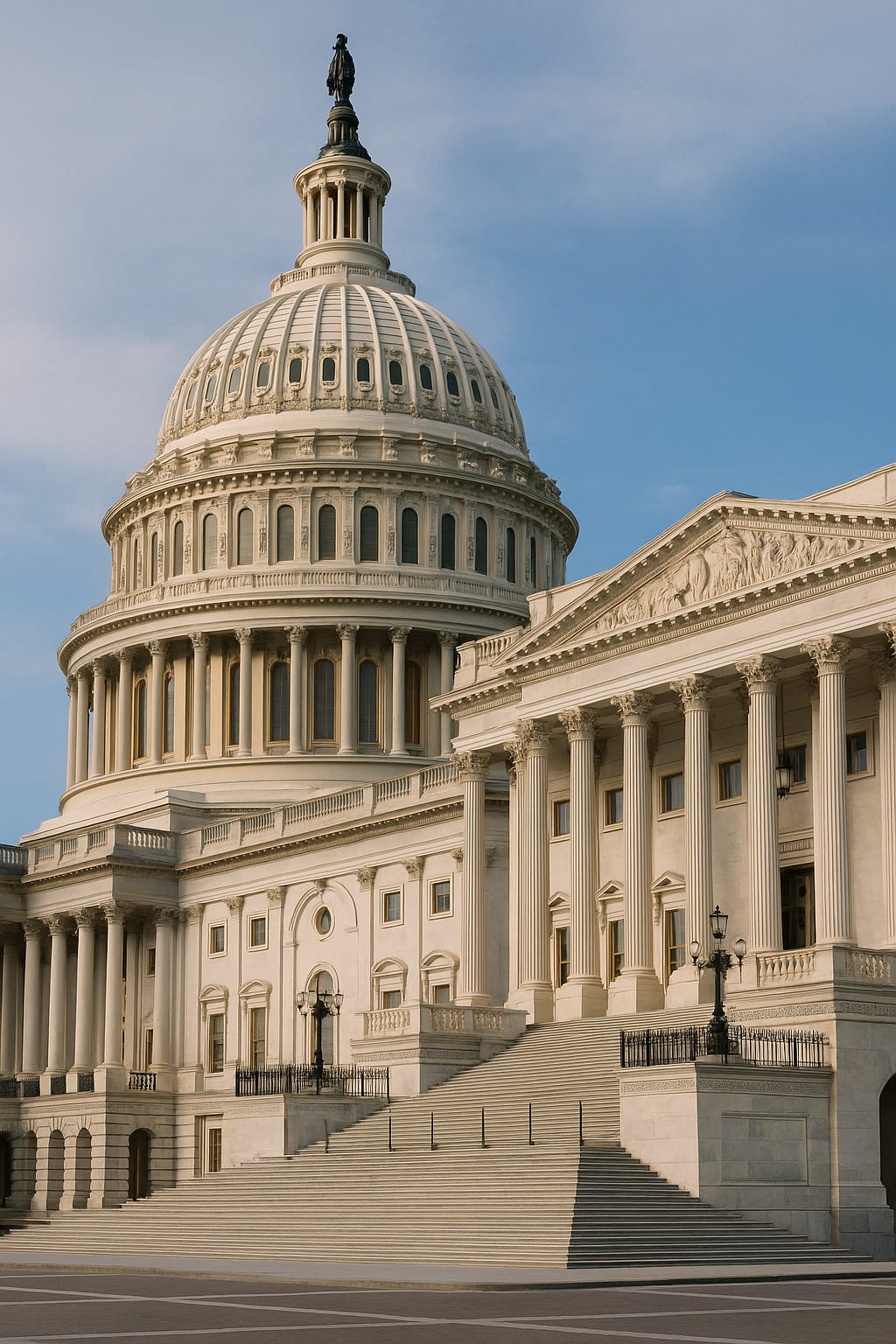
After more than a month of gridlock, the Senate finally cleared a major hurdle late Sunday toward reopening the federal government. It wasn’t pretty, and it took a bloc of centrist Democrats to get it done — but the 60-40 vote signals a potential end to the record-long shutdown that’s quietly been dragging on everything from HUD funding to permitting timelines.
The spending measure now moves toward final passage, with the Senate set to amend the House bill and send it back for approval. If all goes smoothly — and that’s a big if — we could see the federal government back in motion just before Thanksgiving.
For most Americans, the story ends there. For developers, investors, and anyone trying to move a project through a federal agency, it’s the beginning of a long exhale.
Why It Matters
The shutdown hasn’t just been a headline — it’s been a real brake on activity. HUD, USDA, and the IRS have all been operating in partial darkness, delaying everything from LIHTC allocations to FHA closings and tax transcript verifications. Thousands of government workers have been furloughed, and even simple things like verifying a contractor’s SAM registration or pulling federal wage determinations have taken weeks longer than usual.
The deal includes provisions to guarantee back pay for federal workers and reverse certain firings tied to the shutdown. It also funds veterans’ programs, military housing, and agricultural programs — all critical to construction and housing supply chains that rely on stable federal spending.
Markets React
The markets wasted no time. Treasury yields jumped Monday morning, signaling optimism, and equities rallied across the board. Tech stocks led the charge — Nvidia, Alphabet, Tesla — but the ripple effect is broader. Real estate investment trusts (REITs) and construction suppliers are both up in early trading, with investors betting that an end to the shutdown means a quicker rebound in data flow and consumer confidence.
Once the government reopens, we’ll finally get long-delayed economic reports — starting with employment data that could shape the Fed’s December rate decision. The absence of that data has been a huge blind spot for lenders and investors alike, especially in rate-sensitive sectors like housing and infrastructure.
What Comes Next
If this deal holds, it sets up an interim spending window through January 31. That gives Congress another few months before the next fiscal cliff, and gives developers and agencies a short window to play catch-up on everything that’s been stuck in neutral.
But the real lesson here isn’t about politics. It’s about fragility. Our industry depends on functional government processes — not just tax credits and subsidies, but basic operational continuity. When Washington stops, America’s housing machine slows with it.
So yes, the markets are relieved. But those of us building, financing, and managing real assets know the work is just beginning. Because behind every headline about “reopening government” is a pile of backed-up projects, delayed approvals, and investors waiting for certainty before moving their capital again.
This is what gridlock looks like in the real economy.
Daniel Kaufman
Real Estate Developer & Investor